Your carpet feels thin. It sags underfoot. Footprints linger like ghosts. And within months, it looks worn—not lived-in, but defeated. The culprit? You skipped the foundation: a high density carpet pad. Most homeowners treat padding like an afterthought. Big mistake. Without proper support, even luxury carpet turns into a sad, flattened mess faster than you’d believe.
The Padding Myth That’s Costing You Money
Installers love to say “any pad will do.” They’re wrong—and often incentivized to upsell cheap labor over long-term performance. Standard rebond pads? Recycled foam glued together like last week’s leftovers. They compress fast. Noise echoes through your halls. Cold floors drain comfort (and heating bills spike). Worst of all, manufacturers may void your carpet warranty if you don’t use their recommended backing support—which almost always means higher density.
And thinner isn’t sleeker—it’s surrender.
Choosing and Installing the Right High Density Carpet Pad
Density vs. Thickness: What Actually Matters
Thickness fools you. Density saves you. A 7/16” pad at 8 lbs per cubic foot outperforms a puffy 1/2” pad at 5 lbs every time. Why? Because resilience comes from molecular weight, not air pockets. Higher density = more rubber or foam per square inch = better bounce-back, sound dampening, and thermal resistance.
Material Breakdown: Rebond, Foam, Rubber, Fiber
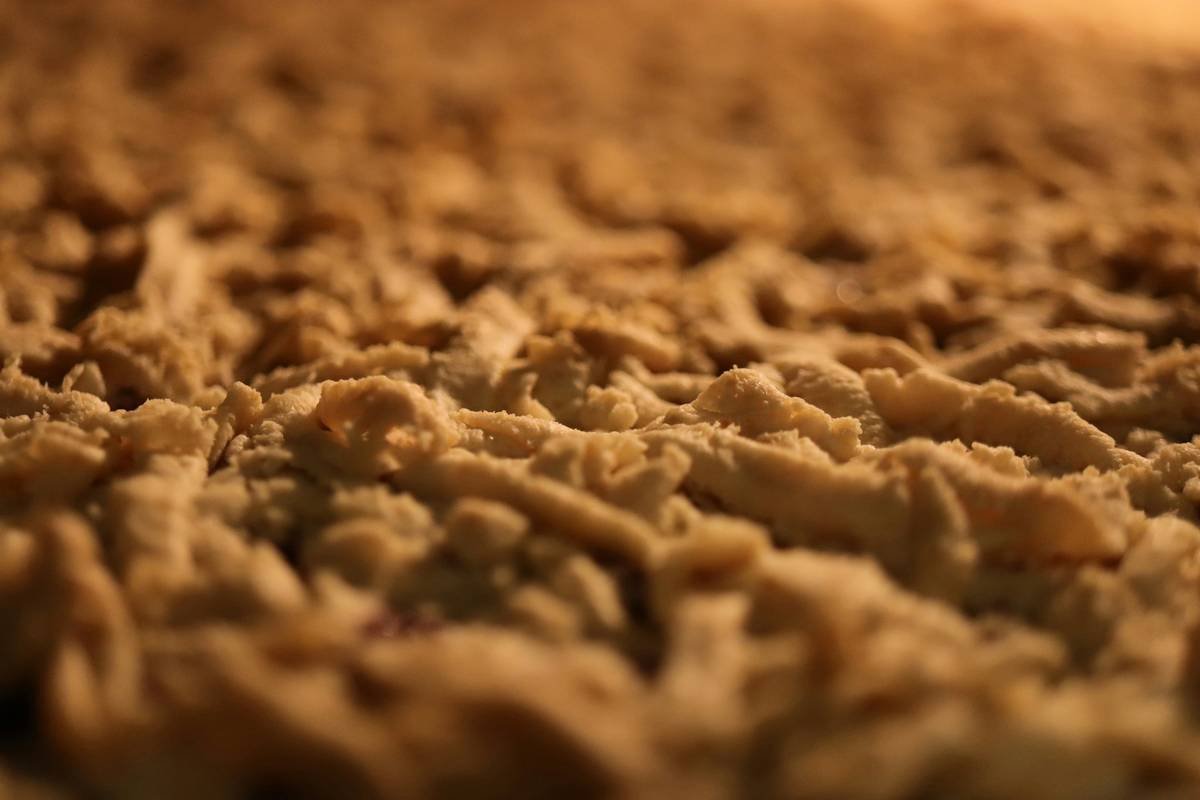
Rebond is budget-friendly but inconsistent. Frothed foam offers uniform support but can off-gas. Waffle rubber? Durable and quiet—but pricey. Natural fiber pads (jute, felt) are eco-friendly yet prone to moisture damage in humid climates like Maui. For most homes, a premium high density carpet pad made from composite rebond or memory foam delivers the best balance.
| Pad Type | Density (lbs/ft³) | Avg. Cost/Sq. Ft. | Best For |
|---|---|---|---|
| Standard Rebond | 4–5 | $0.30–$0.50 | Rental units, low-traffic areas |
| Premium Rebond | 6–8 | $0.60–$0.90 | Living rooms, hallways |
| Frothed Polyurethane Foam | 8–10 | $0.85–$1.25 | Bedrooms, stairs, noise-sensitive zones |
| Waffle Rubber | 10+ | $1.50–$2.20 | Luxury carpets, pet households, radiant floors |

Installation Tips Only Pros Know
Seams must be taped—not overlapped. Overlapping creates ridges that telegraph through carpet. Always run padding perpendicular to floor joists to minimize flex. And never reuse old pad—moisture, dust mites, and compression fatigue are invisible killers. Pro move? Vacuum the subfloor first. Debris underneath = premature wear above.
The Industry Secret: Padding Dictates Carpet Lifespan
Here’s what no one tells you: your carpet’s warranty often hinges on pad specs—not just the fibers. Mohawk, Shaw, and Stainmaster all require minimum density thresholds (usually 6+ lbs/ft³) to honor wear warranties. Skip it, and you’re paying $4/sq. ft. for carpet but getting $1 performance. Worse? In Hawaii’s humidity, low-grade pads absorb moisture, swell, and foster mold between layers—creating odors you can’t clean. A high density carpet pad acts as a moisture buffer and structural stabilizer. Think of it like rebar in concrete: invisible, essential.
Frequently Asked Questions
Is high density carpet pad worth the extra cost?
Absolutely. It extends carpet life by 30–50%, reduces noise, improves insulation, and protects your warranty. Over 10 years, it pays for itself.
What’s the ideal thickness for high density carpet pad?
For most residential plush or textured carpets, 3/8” to 7/16” with 6–8 lbs density is optimal. Thicker isn’t better—it can cause buckling.
Can I install high density carpet pad over concrete?
Yes—but add a vapor barrier first. Moisture wicks up through concrete; without protection, even dense pads can trap condensation and degrade.