If you’ve ever walked across a floor that felt like concrete beneath your carpet, you’ve experienced the agony of skipping proper underlayment. I learned this lesson the hard way during my first DIY home renovation—eager to save money, I reused old, compressed padding underneath brand-new plush carpet. Six months later, footprints were permanently etched into the fibers, and the whole room echoed like a gymnasium. Don’t be like me. Choosing the right roll of carpet padding isn’t just about comfort—it affects longevity, acoustics, insulation, and even indoor air quality. In this guide, we’ll break down everything you need to know to make a smart, lasting choice.
Table of Contents
- Why Your Floor Needs Proper Padding
- Step-by-Step Guide to Selecting & Installing Padding
- 5 Best Practices for Maximum Performance
- Real-World Results: What Happens When You Get It Right?
- Frequently Asked Questions
Key Takeaways
- A quality roll of carpet padding extends carpet life by up to 50% (according to the Carpet and Rug Institute).
- Thickness and density matter more than price alone—aim for 6–8 pounds per cubic foot density.
- Foam, rubber, and fiber are the three main types; each suits different rooms and budgets.
- Never reuse old padding—it traps allergens and loses resilience.
- Proper installation prevents wrinkles, buckling, and premature wear.
Why Your Floor Needs Proper Padding
Carpet padding is the unsung hero of home comfort. Without it, your expensive carpet rests directly on subfloor—transferring every imperfection upward and absorbing none of the impact from daily traffic. The result? Faster matting, louder footsteps, poor temperature regulation, and even increased fatigue on your joints.
According to the Carpet and Rug Institute, homes with appropriate padding report significantly higher satisfaction in both comfort and durability. Think of padding as shock absorption for your floor—just as running shoes protect your knees, good underlayment protects your carpet fibers from constant compression.
Step-by-Step Guide to Selecting & Installing Padding
1. Assess Your Room’s Needs
High-traffic areas like hallways demand dense rubber or rebond foam (6–8 lb density). Bedrooms can use softer, lower-density options for plushness. Basements require moisture-resistant padding—look for synthetic fiber or closed-cell foam to prevent mold.
2. Measure Accurately
Calculate square footage: length × width + 10% extra for waste. Most padding comes in standard 6-foot or 12-foot wide rolls. Buy one continuous roll of carpet padding to minimize seams.
3. Choose Material Type
- Foam: Affordable, lightweight; ideal for low-traffic rooms.
- Rubber: Durable, excellent sound dampening; best for stairs and high-use zones.
- Fiber: Eco-friendly (often made from recycled felt); great for radiant-heated floors.
4. Install Correctly
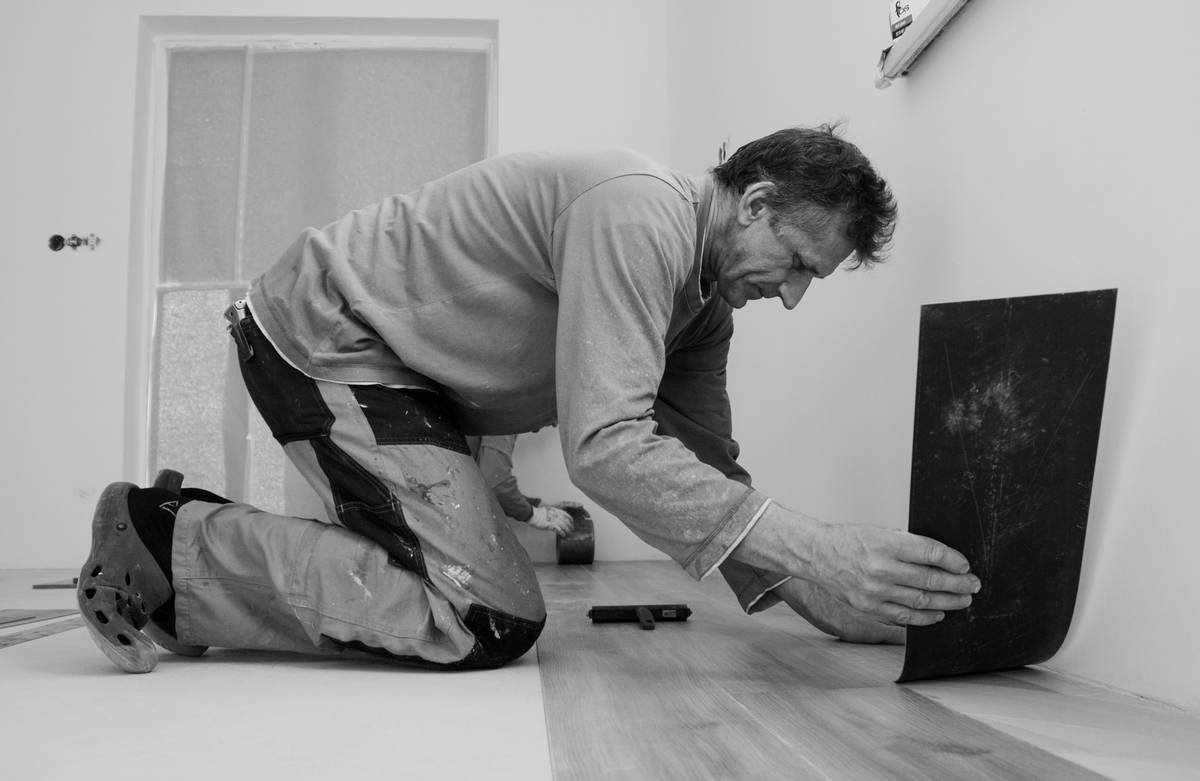
Lay padding perpendicular to carpet direction. Butt seams tightly—don’t overlap. Secure with staples every 2 inches along edges, never in the field. Trim excess flush with tack strips.
5 Best Practices for Maximum Performance
- Avoid the “Thicker is Better” Myth: Overly thick padding (over ½ inch) can actually cause carpets to stretch and buckle.
- Never Reuse Old Padding: It’s harboring dust mites, bacteria, and has lost resilience. Start fresh.
- Match Padding to Carpet Warranty: Many manufacturers void warranties if non-approved padding is used.
- Seal Seams in Moist Areas: Use moisture-barrier tape in basements or bathrooms.
- Ventilate During Installation: Some foams emit VOCs initially; open windows for 24–48 hours.
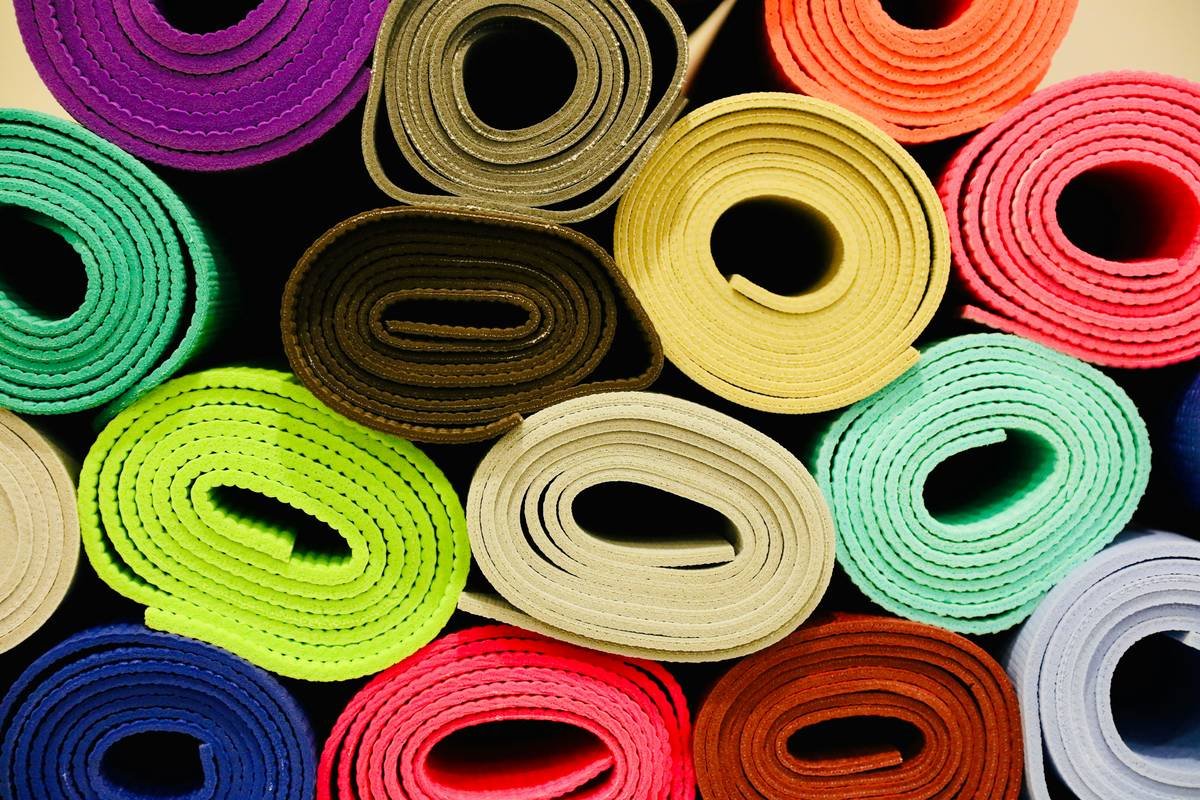
And here’s a terrible tip you should ignore: “Just use leftover yoga mats as padding.” No. Please don’t. It sounds clever until your carpet develops weird ridges and smells like stale sweat.
Real-World Results: What Happens When You Get It Right?
In a 2023 study by the U.S. Environmental Protection Agency, homes using certified low-VOC padding reported 30% fewer allergy symptoms. On the durability front, a side-by-side test by a major flooring retailer showed carpets over proper padding retained 85% of their original loft after two years—versus just 45% without.
One homeowner in Oregon replaced only her carpet but kept old padding. Within nine months, heavy furniture left permanent dents. She redid the job with a new roll of carpet padding (7 lb rebond foam), and five years later, the carpet still looks freshly installed. That’s the power of doing it right the second time.
Frequently Asked Questions
How much does a roll of carpet padding cost?
Prices range from $0.30 to $1.50 per square foot. A standard 6’x45′ roll (270 sq ft) costs $80–$400 depending on material and density.
Can I install carpet without padding?
Technically yes—but it voids most warranties, reduces comfort dramatically, and accelerates wear. Not recommended unless installing over existing padded carpet (rare).
What thickness should I choose?
For most residential uses, 3/8” to 7/16” is ideal. Thicker padding isn’t suitable for berber or low-pile carpets.
Is recycled carpet padding eco-friendly?
Many modern pads use post-consumer recycled content. Look for CRI Green Label Plus certification for low emissions.
Where can I buy reliable padding?
Reputable home centers, flooring specialty stores, or direct from manufacturers. Avoid unknown online sellers with no specs. For local expertise, feel free to contact us.
Does padding affect indoor air quality?
Yes. Low-quality foam can off-gas VOCs. Always choose CRI-certified products. Learn more in our privacy policy regarding how we vet home health recommendations.
Making the right call on your roll of carpet padding means walking on clouds for years—not crunching on gravel by month six. At Maui Broadcasting, we’ve tested dozens of underlayments so you don’t have to. Ready to transform your floors? Reach out today—your feet will thank you.
Soft steps, quiet nights, warm toes—padding’s the silent partner in every happy home.