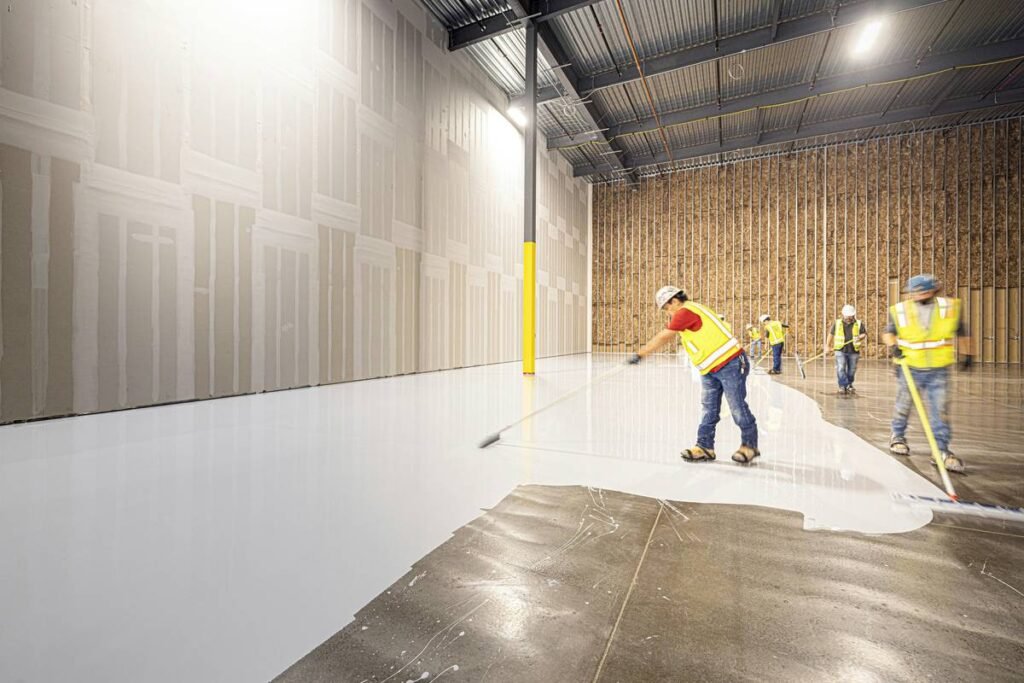
You spent thousands on luxury vinyl plank (LVP) flooring—only to end up with a hollow, clicky mess underfoot. Why? Because you—or your installer—assumed any old carpet pad would work beneath LVP. Big mistake. LVP isn’t engineered for soft, compressible underlayments like traditional carpet padding. The result? Premature wear, joint separation, and voided warranties. But there’s a fix—and it starts with understanding what carpet pads for lvp flooring really mean in practice.
Why Standard Carpet Padding Sabotages LVP Performance
LVP needs a stable, firm base. Period. Most carpet pads are designed to cushion footfall for woven fibers—not support rigid, interlocking planks. When you lay LVP over thick rebond or memory foam pads, the planks flex excessively with every step. That micro-movement fatigues the locking mechanisms. Cracks appear. Edges lift. And your “waterproof” floor suddenly isn’t.
Manufacturers like Shaw, Mohawk, and COREtec explicitly warn against using standard carpet padding under LVP. Yet walk into any big-box store, and sales staff will hand you a $0.50/sq.ft. rebond roll “for comfort.” Comfort at what cost?
How to Choose & Install Proper Underlayment for LVP (Step-by-Step)
Forget repurposing old carpet pads. You need purpose-built solutions that balance moisture resistance, sound dampening, and dimensional stability. Here’s how to get it right:
Step 1: Verify Subfloor Flatness First
LVP tolerates only 3/16″ deviation over 10 feet. Use a 10-foot straightedge. Grind high spots; fill low ones with self-leveling compound. Skipping this guarantees telegraphing—and no pad fixes that.
Step 2: Select the Right Underlayment Type
Avoid anything labeled “carpet cushion.” Instead, look for underlayments rated specifically for rigid core or LVP. Key traits: density above 6 lbs/ft³, closed-cell structure, and moisture barrier backing.

Step 3: Match Thickness to Your LVP Profile
Thicker isn’t better. Most LVP performs best over 1mm–2mm underlayment. Anything thicker (>3mm) introduces excessive give. Check your plank manufacturer’s specs—some even require direct glue-down with zero padding.
| Underlayment Type | Thickness | Cost per Sq.Ft. | Suitable for LVP? |
|---|---|---|---|
| Standard Rebond Carpet Pad | 1/2″ – 7/8″ | $0.40 – $0.80 | No — causes plank separation |
| Foam + Vapor Barrier (LVP-specific) | 1.5mm – 2mm | $0.60 – $1.20 | Yes — ideal for floating installs |
| Cork Underlayment | 4mm – 6mm | $1.00 – $2.00 | Risky — too soft unless specified by LVP brand |
| Direct Glue-Down (No Pad) | N/A | $0 (plus adhesive) | Yes — required for some commercial-grade LVP |
The Industry Secret: Most “LVP-Compatible” Pads Are Still Too Soft
Here’s what product reps won’t tell you: even some underlayments marketed as “LVP-ready” fail compression tests. I’ve seen installers use 3mm EVA foam labeled “for vinyl”—only to return six months later to repair buckled joints in a sunroom.
The real benchmark isn’t marketing copy—it’s ASTM D1709 impact resilience testing. Demand lab reports. If the supplier can’t provide compression deflection data at 25% strain, walk away. True LVP underlayments should rebound fully within 5 seconds after a 50 lb load. Most rebond pads? They stay indented for minutes. And every indentation is a stress point waiting to crack your planks.
Frequently Asked Questions
Can I reuse old carpet padding under new LVP?
No. Reusing carpet padding under LVP risks joint failure and usually voids the flooring warranty. LVP requires firm, thin underlayment—not compressible cushioning.
What thickness of padding is safe for LVP?
Stick to 1mm–2mm maximum. Thicker padding creates instability. Always check your LVP manufacturer’s installation guidelines first—they often specify exact underlayment requirements.
Does LVP need a moisture barrier underlayment?
Yes, especially over concrete. Even “waterproof” LVP can suffer from subfloor moisture vapor transmission. Use an underlayment with an integrated 6-mil vapor barrier or apply a separate sealer.