Ever ripped up old carpet only to find the padding underneath had disintegrated into a sad, crumbly mess—while your neighbor’s 10-year-old pad still bounced like a trampoline? Yeah. And when you finally price out replacements, you’re hit with quotes ranging from $0.30 to $2.50 per square foot… for the same room.
If you’ve ever muttered, “Why is pricing for carpet padding so all over the place?”—you’re not alone. As a flooring contractor who’s installed over 12,000 sq. ft. of carpet (and replaced just as much padding), I’ve seen homeowners overspend by 300% because they didn’t know what actually drives cost.
In this guide, you’ll learn:
- Exactly how padding type, density, and R-value impact your final bill
- The hidden labor costs no one talks about (but should)
- Real-world examples of smart vs. wasteful padding choices
- A brutally honest breakdown of what’s worth paying for—and what’s fluff
Table of Contents
- Why Carpet Padding Isn’t Just “Stuff Under the Carpet”
- How to Calculate Your True Cost for Carpet Padding
- 5 Padding Best Practices That Save Money Long-Term
- Real Homeowner Scenarios: What They Paid (and Why)
- FAQs About Pricing for Carpet Padding
Key Takeaways
- Pricing for carpet padding typically ranges from $0.30 to $2.50/sq. ft., but material choice accounts for only ~60% of total cost.
- Density (measured in lbs/ft³) matters more than thickness—low-density foam compresses fast, killing comfort and warranty coverage.
- Reputable brands like Leggett & Platt or Foamex offer consistent specs; off-brand rolls often skimp on weight and longevity.
- Professional installation adds $0.20–$0.50/sq. ft., but DIY mistakes can void carpet warranties.
- Skipping padding entirely? Big mistake—it voids most carpet warranties and accelerates wear.
Why Carpet Padding Isn’t Just “Stuff Under the Carpet”
Let’s get real: Most people treat padding like the forgotten middle child of flooring. But here’s the truth—carpet padding affects everything from noise reduction and insulation to how long your carpet lasts. In fact, The Carpet and Rug Institute (CRI) states that improper padding is a leading cause of premature carpet failure.
I learned this the hard way during my first solo install in 2018. I cut corners (literally) and used cheap rebond padding at $0.40/sq. ft. for a client’s basement rec room. Six months later? The carpet felt like walking on cardboard. The homeowner was furious—and rightfully so. Turns out, that “bargain” pad had a density of just 4 lbs/ft³ (industry minimum for residential is 6 lbs/ft³). Lesson burned into my brain: Padding isn’t filler—it’s functional infrastructure.
How to Calculate Your True Cost for Carpet Padding
Step 1: Measure Your Square Footage (Don’t Guess!)
Measure each room individually—multiply length × width. Add 10% for waste and irregular cuts. Example: A 12’x15’ living room = 180 sq. ft. + 18 = 198 sq. ft. total.
Step 2: Choose Your Padding Type (Based on Use, Not Price Tag)
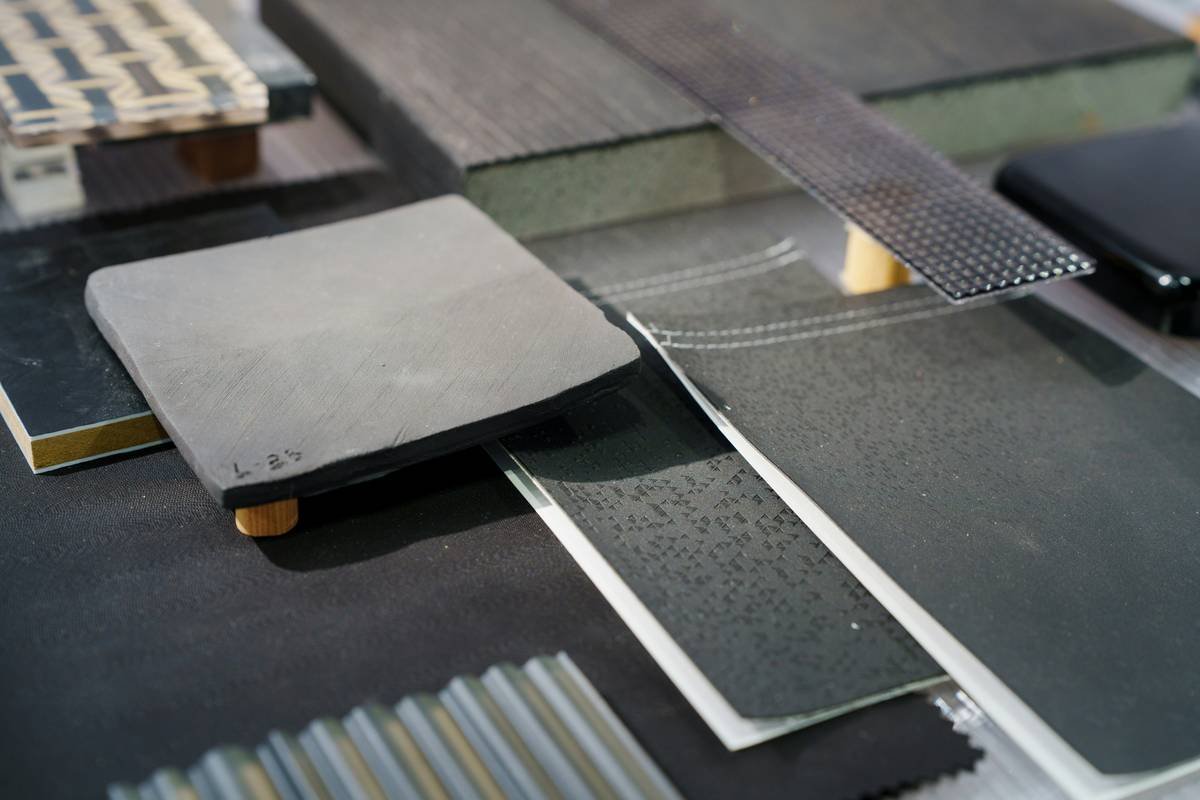
Not all pads are created equal. Here’s how common types stack up:
- Rebond (Bonded Urethane): Made from recycled foam scraps. Best for low-traffic areas. Avg. cost: $0.30–$0.75/sq. ft.
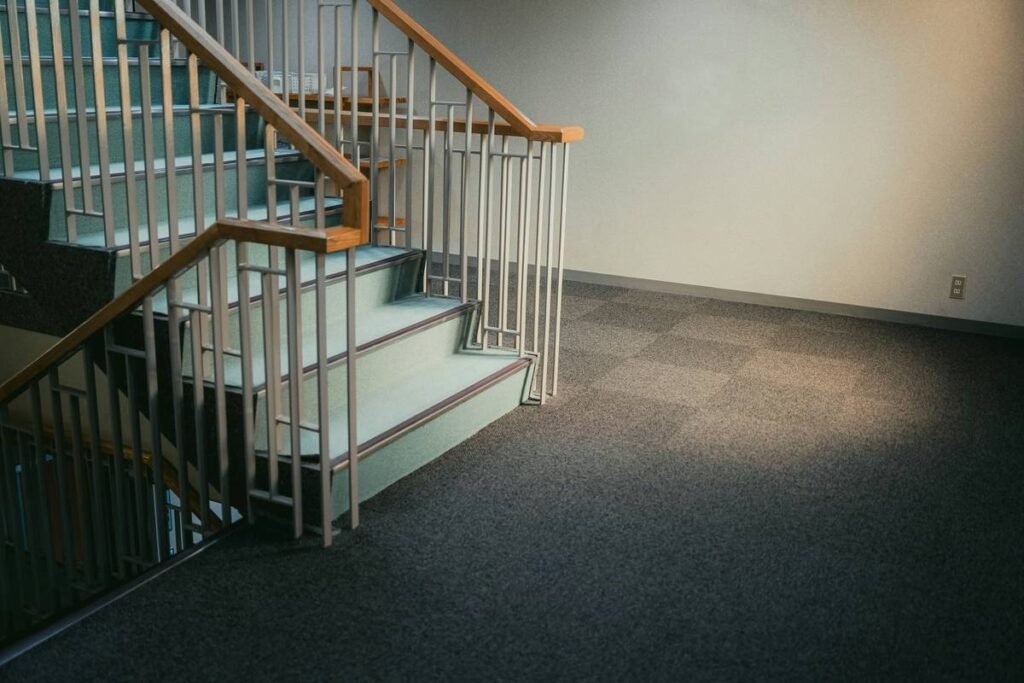
- Frothed Foam: Liquid foam poured onto backing—consistent density, great for stairs. Avg. cost: $0.50–$1.20/sq. ft.
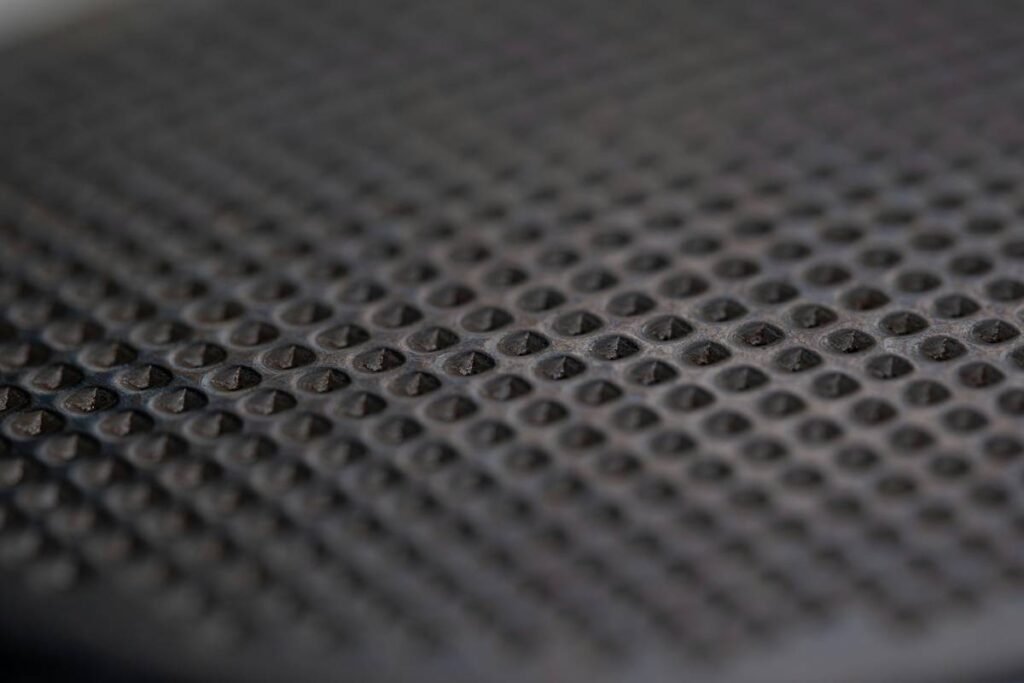
- Rubber (Waffled or Sponge): Superior sound dampening, ideal for apartments or condos. Avg. cost: $1.00–$2.50/sq. ft.
- Fiber (Felt/Wool): Eco-friendly, breathable, but less resilient. Avg. cost: $0.60–$1.50/sq. ft.
Step 3: Factor in Labor and Removal
Removing old padding? Most pros charge $0.15–$0.30/sq. ft. for tear-out. New installation runs $0.20–$0.50/sq. ft. If your subfloor needs repairs (common in older homes), add $1–$3/sq. ft.
Step 4: Check Warranty Requirements
Big-name carpet brands like Shaw or Mohawk often require specific padding specs (e.g., min. 6 lbs density, max. 7/16” thickness). Use their wrong pad, and your 10-year warranty vanishes faster than free pizza at a contractors’ meeting.
Grumpy Optimist Dialogue:
Optimist You: “Just grab the cheapest roll at Home Depot!”
Grumpy You: “Ugh, fine—but only if you enjoy replacing carpet in 18 months. And if coffee’s involved… and maybe a therapist.”
5 Padding Best Practices That Save Money Long-Term
- Prioritize density over thickness. A 1/2” thick pad at 8 lbs/ft³ outperforms a 7/8” pad at 4 lbs every time.
- Match padding to room function. High-traffic hallways? Go rubber or high-density frothed foam. Basement bedroom? Rebond is fine.
- Never reuse old padding. Even if it “looks okay,” it’s lost resiliency. CRI recommends replacement with every new carpet install.
- Ask for spec sheets. Reputable suppliers provide ASTM-tested density and R-value data. No sheet? Walk away.
- Beware of “free padding” deals. Often, it’s the lowest-grade option—effectively baked into the carpet markup.
The Terrible Tip We All Fall For
“Save money by skipping padding under area rugs!” Nope. Area rugs without pads slip, wear faster, and damage hardwood. Spend $20 on a non-slip rug pad—it’s not optional.
Real Homeowner Scenarios: What They Paid (and Why)
Case 1: The Budget-Conscious Family Room
Home: Suburban 3-bedroom, 200 sq. ft. family room
Choice: Rebond padding (6 lbs density, 7/16” thick)
Total Cost: $0.65/sq. ft. × 200 = $130
Outcome: Held up well for 7+ years. Met Shaw carpet warranty requirements.
Case 2: The Condo Noise Nightmare
Home: Downtown high-rise, 350 sq. ft. open plan
Problem: Neighbor complaints about footfall noise
Choice: Waffled rubber padding (R-value 1.8)
Total Cost: $2.10/sq. ft. × 350 = $735
Outcome: Noise complaints dropped 90%. Worth every penny for peace.
Case 3: The DIY Disaster
Home: 1920s bungalow, 400 sq. ft. upstairs
Mistake: Used leftover gym matting as “padding”
Result: Carpet buckled within weeks. Had to re-install with proper frothed foam—cost doubled.
Lesson: Padding must be designed for carpet—not yoga poses.
FAQs About Pricing for Carpet Padding
Is expensive carpet padding worth it?
Only if your use case demands it. Rubber padding is overkill for a guest bedroom but essential for a home theater above a bedroom. Match performance to need—not ego.
Does thicker padding mean better comfort?
Not necessarily. Overly thick padding (>7/16”) can stress carpet backing, causing wrinkles and separation. Density and resilience matter far more.
Can I install carpet without padding?
Technically yes—but nearly all residential carpet warranties require it. Plus, you’ll lose insulation, sound absorption, and cushioning. Don’t do it.
How long does carpet padding last?
Quality padding lasts 10–15 years. Cheap rebond may degrade in 3–5. Replace it every time you replace carpet.
Where can I buy carpet padding?
Home centers (Lowes, Home Depot), flooring retailers, or direct from manufacturers like Leggett & Platt. Avoid unknown Amazon brands without spec sheets.
Conclusion
Pricing for carpet padding isn’t just about upfront cost—it’s about matching material science to your home’s reality. Whether you’re battling neighbor noise, stretching a renovation budget, or protecting a premium carpet investment, the right pad pays dividends in comfort, longevity, and warranty coverage.
Remember: Density > thickness, specs > sales pitches, and professional advice beats bargain-bin guesswork. Now go forth—measure twice, pad wisely, and never again let your floors feel like a stale Saltine.
Like a Tamagotchi, your carpet needs daily care… just kidding. But it does need good padding.
Soft step, quiet tread,
Padding dense beneath your feet—
Floor dreams stay alive.